DTF vs Heat Transfer Vinyl
Which one if right for YOUR business?
Yes – High volume DTF Printing [direct-to-film] will always be a significantly faster way to produce full-color t-shirt transfers. But is that what is most important for your business?
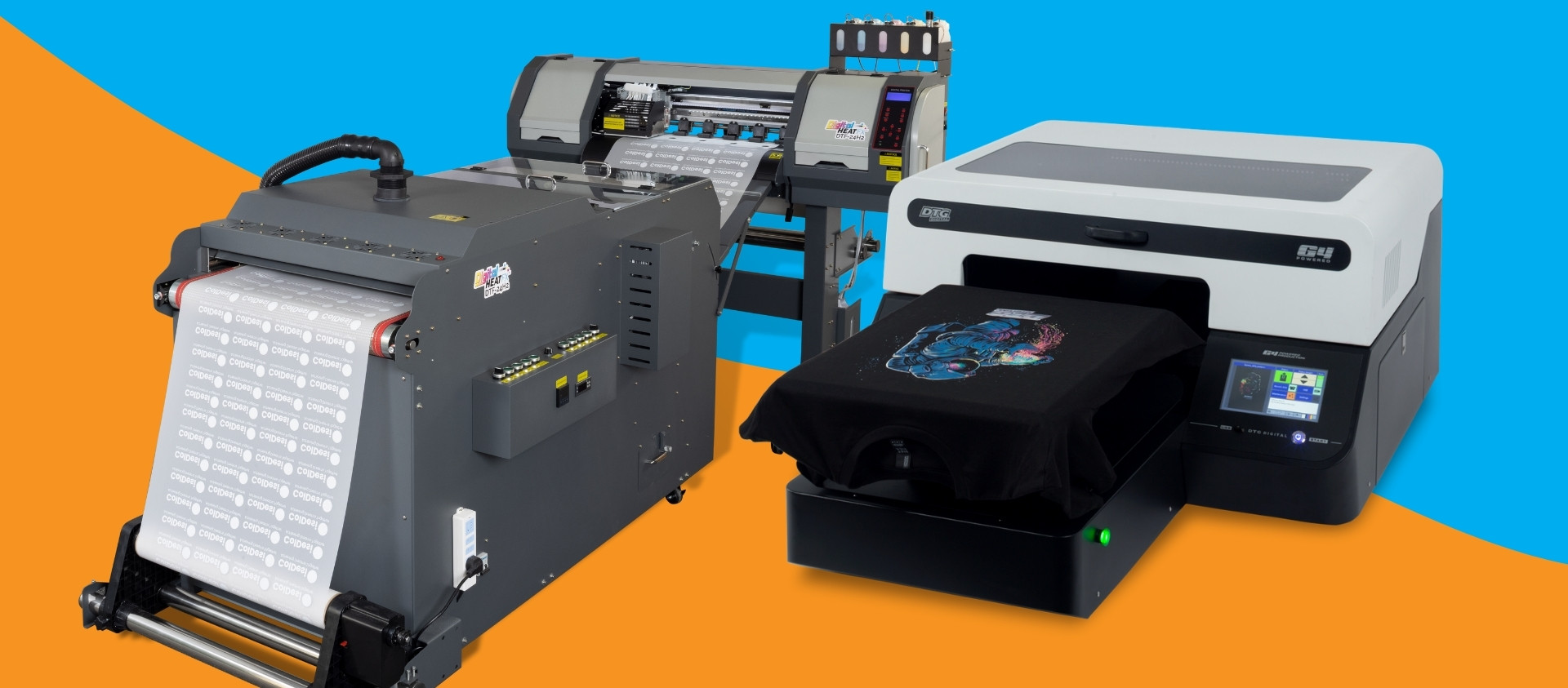
This comparison is between heat transfer vinyl cutters + print and cut eco-solvent printers like the Roland BN-20a and the newest… direct to film.
DTF, or Direct to Film, has many features that make it an attractive option for busy shops.
- Very fast transfer production
- Use with any fabric
- Stretchable – and looks great afterwards
- Low cost per print
- Sell transfers as well as completed custom apparel
- Low heat press time
- Washes like screen printing
But print cutters like the Roland BN-20 and Roland BN-20a have some great features too:
- Beautiful prints
- Lower up front costs
- Much quieter than high volume DTF
- No odor or fumes
- Smaller footprint
DTF vs Heat Transfer Vinyl: Which Method Is Right for Your Business in 2026?
Bottom line up front: For most growing custom apparel shops, DTF wins on speed, versatility, durability, and long-term profit. HTV still makes sense for ultra-simple one-color jobs or tiny startups.
This guide gives you the exact 2026 numbers, side-by-side tables, real ROI examples, and ColDesi DTF printer details so you can decide fast and start scaling today.
What Is DTF (Direct to Film) Printing?
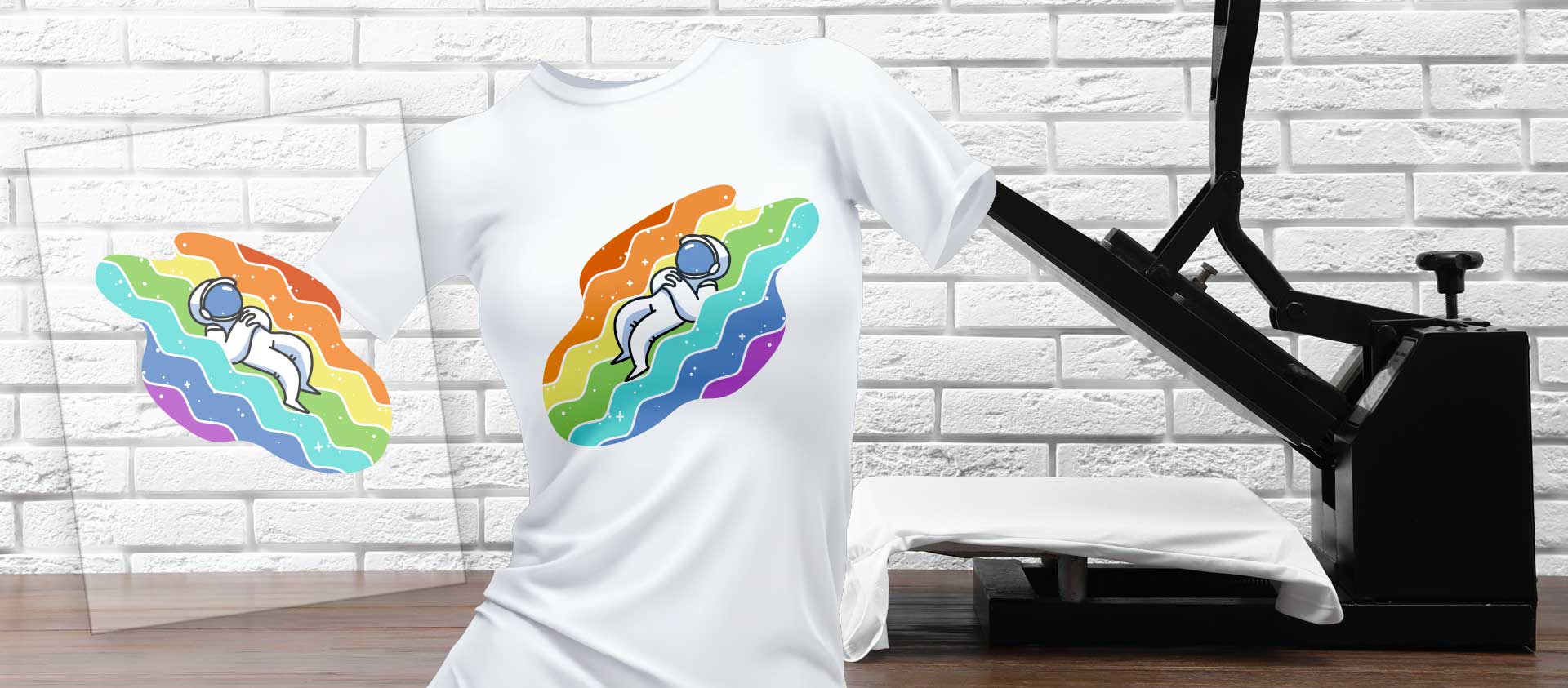
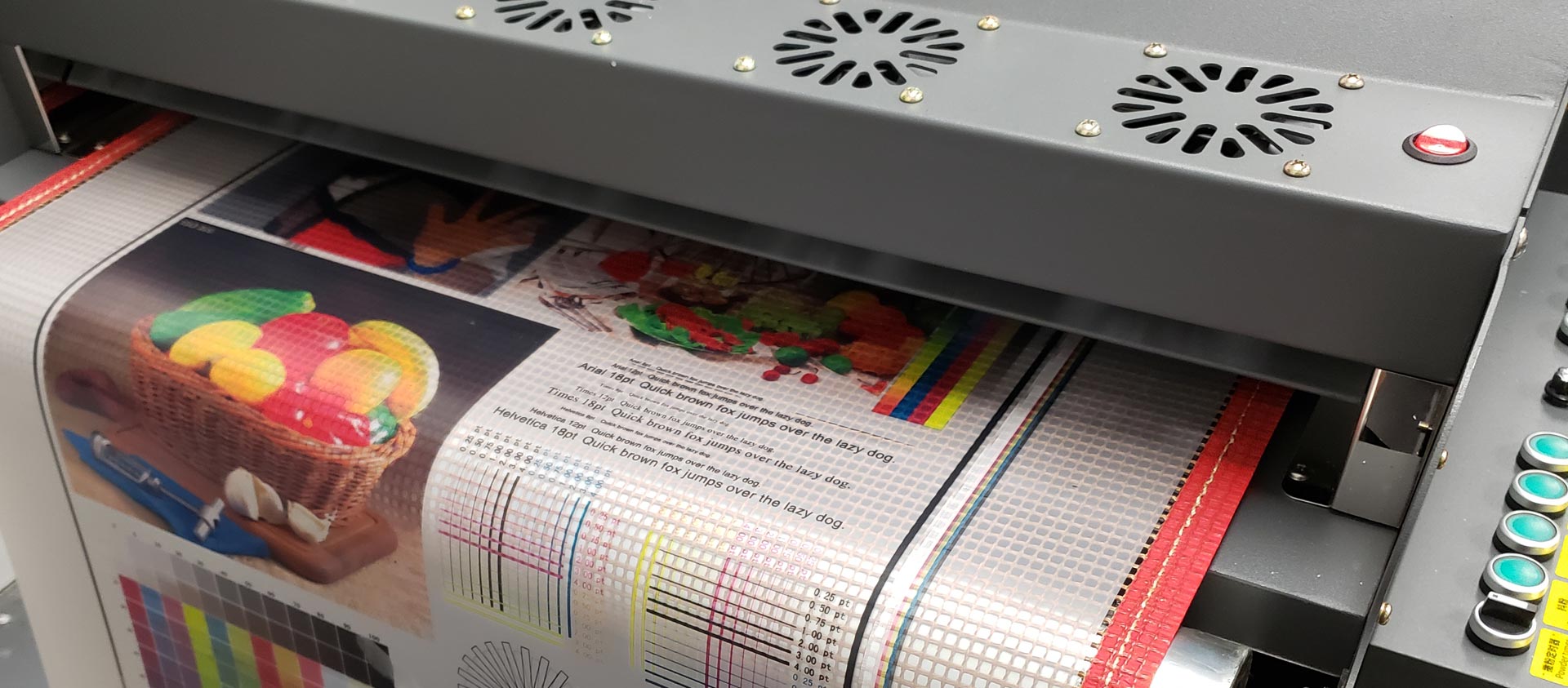
DTF prints your full-color design on special PET film. You shake on hot-melt powder, cure it, trim, and heat-press onto any garment. No weeding. No screens.
The process takes minutes per sheet. ColDesi DTF printers deliver crisp, vibrant transfers that stretch with the fabric and feel almost like screen print.
What Is Heat Transfer Vinyl (HTV) and How Does It Work?
HTV starts as colored vinyl sheets. You print or cut your design, weed away the excess, apply transfer tape, and press it on.
It works great for bold text or simple logos, but every color layer adds time and risk of mistakes.
DTF vs HTV Head-to-Head Comparison
| Feature | DTF (ColDesi) | HTV | Winner |
|---|---|---|---|
| Design Complexity | Full-color, gradients, photos | Best for 1-3 colors | DTF |
| Feel on Shirt | Soft, fabric-like | Thicker, rubbery | DTF |
| Durability (Washes) | 50–100+ without cracking | 20–40 before peeling | DTF |
| Production Speed | 100–300 transfers/hour | 10–30 shirts/hour | DTF |
| Startup Cost | $19,995–$35,995 (ColDesi models) | $2,000–$6,000 | HTV |
| Per-Transfer Cost | ~$0.69 (ink + film + powder) | $1.50–$4+ (complex designs) | DTF |
| Fabric Compatibility | Any (cotton, polyester, blends, darks) | Mostly cotton; limited on polyester | DTF |
| Weeding Required | None | Yes – time killer | DTF |
Key takeaway: Once you hit 50–100 shirts per month, DTF pays for itself fast.
2026 Startup Costs & Equipment Comparison
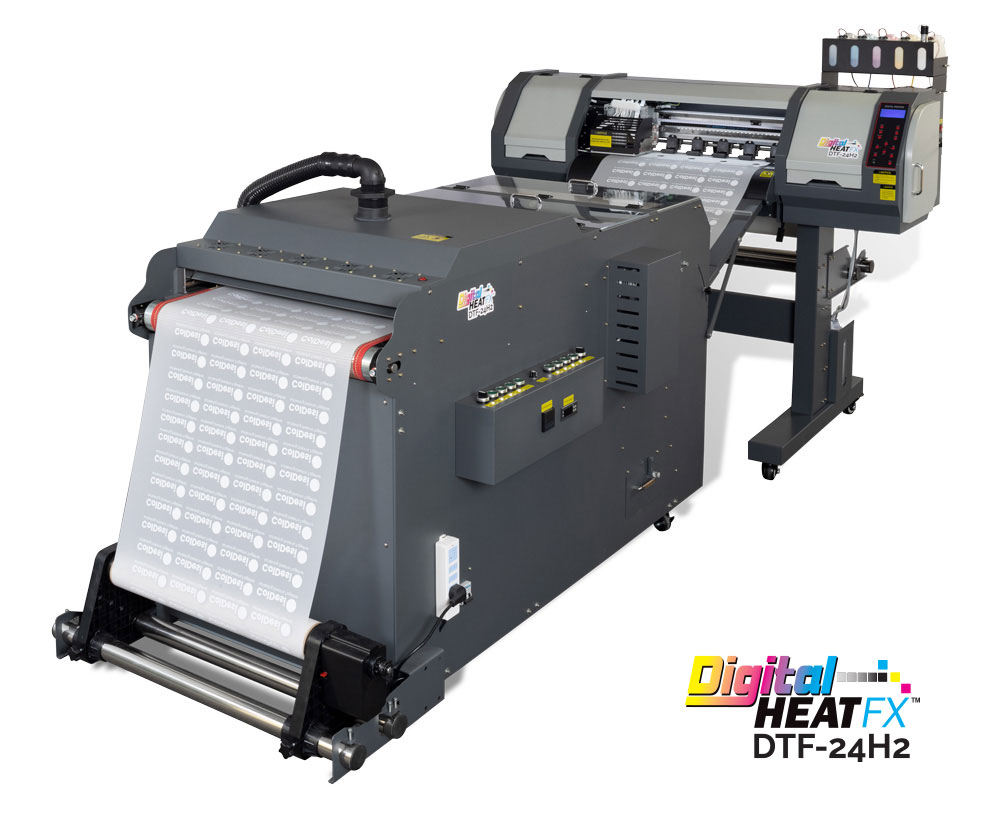
ColDesi DTF 24H2
- Price: $19,995–$25,995 (current specials)
- Speed: 100 full-front transfers per hour
- Includes: Print Optimizer software, training, lifetime support
- Footprint: Compact for shops under 500 sq ft
ColDesi DTF 24H4
- Price: $29,995–$35,995
- Speed: 300 full-front transfers per hour
- Includes: Same included training and support
HTV plotter + heat press setup runs $3,000–$7,000 but caps your growth. ColDesi financing starts as low as $360/mo.
Real Per-Print Costs, Labor Savings & ROI Examples
- DTF material cost: ~$0.69 per full-front transfer (verified ColDesi consumables).
- HTV complex design: $2–$4 per shirt after weeding waste.
- Labor savings: One operator on a ColDesi DTF 24H2 replaces 3–4 HTV workers.
Simple ROI Table (500 shirts/month)
| Volume/Month | DTF 24H2 Monthly Cost | HTV Monthly Cost | Monthly Savings with DTF | Break-even Month |
|---|---|---|---|---|
| 500 shirts | $1,200 | $3,000 | $1,800 | 11 months |
| 1,000 shirts | $2,200 | $5,500 | $3,300 | 8 months |
| 2,000 shirts | $4,000 | $10,000 | $6,000 | 6 months |
Real shops using ColDesi DTF report 300% efficiency gains and 40–60% higher margins.
Durability, Wash Tests & Long-Term Quality
Independent 2026 tests show ColDesi DTF transfers survive 50–100+ washes with no cracking or fading. HTV often lifts at edges by wash 25–30.
Both stretch, but DTF snaps back perfectly on performance fabrics. Use a standard 320°F press for 15 seconds and you’re done.
Production Speed & Scalability for Every Business Size
- Hobby (under 50 shirts/mo): HTV is fine.
- Growing shop (100–500 shirts/mo): DTF 24H2 pays off immediately.
- High-volume (1,000+): DTF 24H4 becomes your profit machine.
You can print and store transfers for later — something HTV can’t match.
When to Choose DTF, When HTV Wins, and When to Use Both
Choose DTF if:
- You want full-color or complex art
- Volume exceeds 100 shirts/month
- You sell to polyester-heavy customers
HTV still wins for:
- One-color names/numbers on jerseys
- Tiny test runs under 20 shirts
- Shops that hate any powder smell
Hybrid workflow (smart move): Use ColDesi DTF for 80% of orders and keep a small HTV cutter for quick one-offs.
ColDesi DTF Printers: Built for Real Results
The ColDesi 24H2 and 24H4 come with everything you need: dual/triple print heads, integrated fume extraction, Print Optimizer RIP software, and hands-on training.
Thousands of shops switched with ColDesi support and never looked back. “We went from 50 shirts a week to 500 in two months,” says one recent customer.
Step-by-Step: How to Get Started with DTF or HTV Today
- Define your average monthly volume and design style.
- Book a free ColDesi consultation (we match you to the right machine).
- Get trained (included) and start printing same week.
- Scale with our ongoing support.
Common Mistakes to Avoid + Pro Tips
- Never skip the second press with Teflon sheet on DTF — it locks durability.
- Avoid cheap converted printers; ColDesi heads and software prevent clogs.
- Test one shirt before full runs.
The Future of Custom Apparel Printing in 2026
DTF now dominates 70%+ of on-demand shops. Hybrid workflows and faster powder systems make it unstoppable. ColDesi stays ahead with continuous updates and nationwide support.
FAQ
Is DTF cheaper than HTV long term?
Yes. After 6–11 months the lower per-transfer cost and massive labor savings make DTF far more profitable.
Can DTF print on polyester?
Absolutely — better than almost any other method.
How many washes does DTF last?
50–100+ with proper pressing. HTV usually fails earlier.
Do I need a big shop for ColDesi DTF?
No. The 24H2 fits most garages or small print rooms.
What heat press works best?
Any 15×15 or larger clamshell at 320°F for 15 seconds.
Is training really included?
Yes — full in-person or virtual training plus lifetime phone support with every ColDesi printer.
Can I sell DTF transfers separately?
Yes. Many shops make extra profit selling pre-printed transfers.
Which ColDesi model should I start with?
The 24H2 for most businesses; upgrade to 24H4 when you hit 1,000 shirts/month.
Author Bio
Researched and written February 2026 by the ColDesi team. For 15+ years ColDesi has helped thousands of apparel businesses switch to DTF with reliable printers, honest advice, and real support. We don’t just sell machines — we help you build profitable print shops.
Ready to scale your custom apparel business?
Get your custom ColDesi DTF quote today and start printing faster, cheaper, and better than ever. Contact Us or call our pros now.
DTF 24H2
-
Speed: 45-55 Linear Feet per hour
-
Speed: 100 Full Front Transfers/hour
-
Print Optimizer Software
-
Training & Support
-
Dimensions:
Printer only: 37" x 67.5"
Applicator: 76" x 38"
Combined: 67.5" x 131"
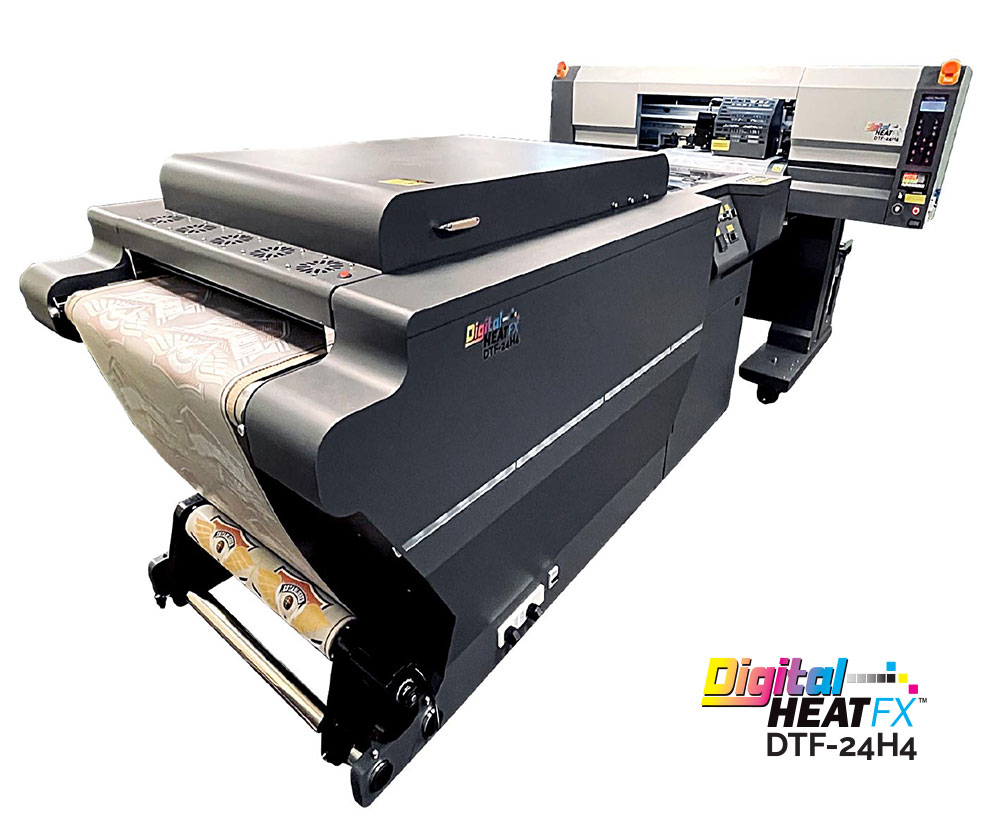
DTF 24H4
-
Speed: 145 Linear Feet per hour
-
Speed: 300 Full Front Transfers/hour
-
Print Optimizer Software
-
Training & Support
-
Dimensions:
Printer only: 35.5" x 78"
Applicator: 43.5" x 84"
Overall: 78" x 132"